You finally replaced that old HVAC unit. Now it is sitting in the garage, and you are not sure where it should actually go. Metal is one of the most recyclable materials on earth, and it matters more than most people realize.
Here is a straight look at what recycling saves compared to mining, and what to do before you bring it in. See what we accept at our scrap metal hub.
Recycling vs. Mining: What the Environmental Impact Looks Like
Mining is heavy work. Extracting ore, hauling it, and processing it takes enormous energy and disturbs a lot of land. Recycling skips most of that because scrap metal is already refined. You are essentially melting down something that has already been through the hard part.
Aluminum makes the difference easy to see. Making aluminum from scrap uses about 95% less energy than making it from raw material, roughly 8.3 gigajoules per tonne versus 186 gigajoules per tonne, according to the International Aluminium Institute . That is not a small tweak. It is a different process entirely.
How Metal Recycling and Carbon Emissions Connect
Less energy to process means fewer emissions. For aluminum, the gap is stark. Recycled aluminum cuts greenhouse gas emissions by over 90% compared to primary production (about 0.52 tonnes of CO2e per tonne for recycled versus 15.1 tonnes for primary).
Copper recycling saves up to 85% of the energy needed for mining and extraction, according to the World Resources Institute. Steel tells the story through raw materials: recycling one ton of steel conserves about 2,500 pounds of iron ore, 1,400 pounds of coal, and 120 pounds of limestone.
Recycled aluminum uses 95% less energy than making it from scratch. That is the difference between a quick melt and a full-scale mining operation.
Sustainable Metal Sourcing Explained
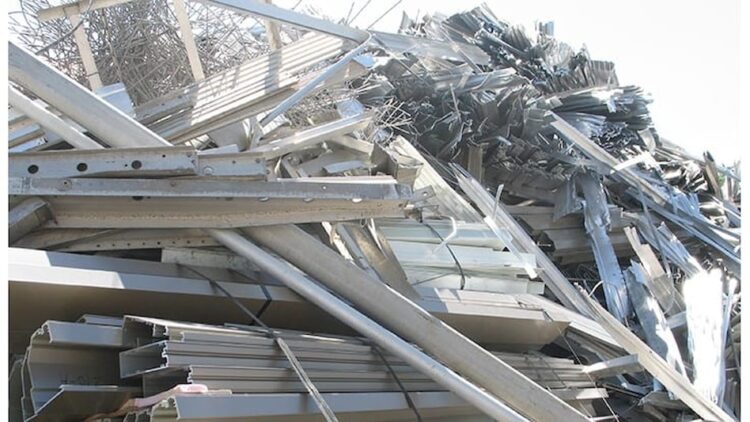
Sustainable sourcing sounds abstract until you look at what is already sitting in Kansas City garages, job sites, and basements. Scrap metal already in circulation is a source of metal that does not require new mining. When you bring in an old water heater or a pile of aluminum siding, you are feeding a loop that already exists.
Langley keeps it simple and local. You bring it in, we weigh and sort it in front of you, and it stays out of the landfill. We do pay for scrap, but the point is not the check. The point is that the metal gets used again instead of buried.
What to Do Before You Bring It In
You do not need to be an expert sorter. A few quick habits help:
- Keep metals separated where you can: aluminum in one bin, steel in another.
- Remove non-metal parts if it is easy. Plastic handles, rubber hoses, and wood do not need to come along.
- Do not worry about perfection. We grade on-site and will walk you through it.
We also take e-scrap, so old computers and electronics can come along. Check our Materials Accepted page if you are unsure about something specific.
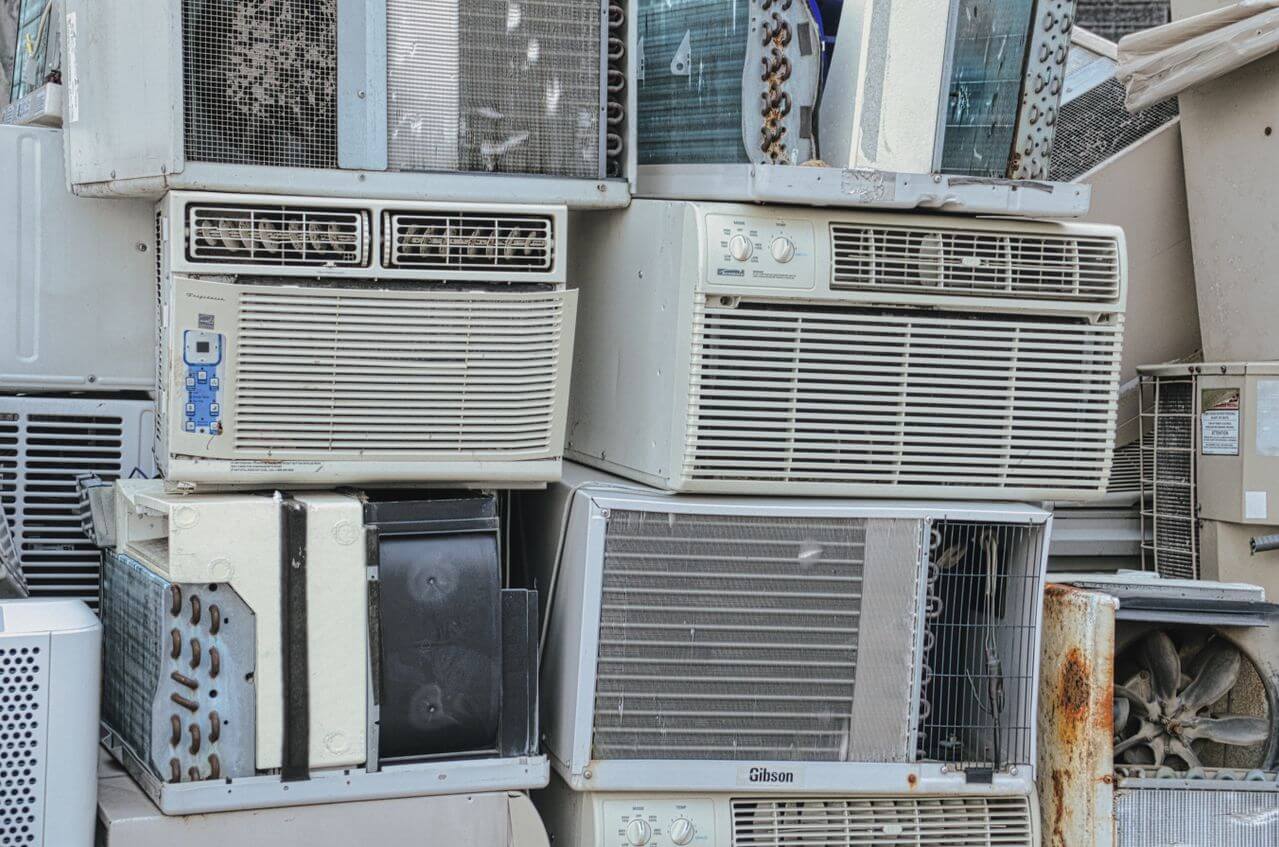
If you have an HVAC unit or anything with refrigerant, give us a call before you bring it and let us know the type of unit and whether refrigerant has been removed. We’ll walk you through what we can take and what needs to happen first. This saves you a wasted trip and keeps things straightforward from the start.
For bigger projects, like a garage cleanout or a renovation haul, dumpster rental is the better fit.
Why It Matters in KC
Kansas City grew up around rail, stockyards, and manufacturing. Metal has been moving through this city for over a century. Recycling is not a new trend here. It is something KC homeowners already take part in, whether they think of it that way or not. When you drop off scrap at Langley, it stays in use instead of going to the landfill. That is the local loop, and it has been running since 1931.
FAQ
Does recycling metal really make a difference, or is it mostly symbolic?
It makes a measurable difference. Recycled aluminum uses about 95% less energy than primary production, and copper recycling saves up to 85% of mining energy.
What’s the environmental difference between recycled and newly mined metal?
Recycled metal skips extraction and refining. For aluminum, that means over 90% lower greenhouse gas emissions.
Can I recycle metal from my home, or is Langley only for businesses?
Homeowners are welcome. Bring in appliances, scrap from projects, e-scrap, and more.
Bring It In
Langley has been handling Kansas City’s scrap since 1931, and homeowners are welcome. Bring it in, or call with questions first.
3557 Stadium Drive, Kansas City, MO 64129
Mon–Fri: 8:00 AM–12:00 PM and 12:45 PM–5:00 PM
Sat: 8:00 AM–12:00 PM
Sun: Closed