Just like every piece of scrap metal that comes through our gates has a story, so does our city. Kansas City’s relationship with scrap metal didn’t start with curbside recycling bins or environmental awareness campaigns. It started over a century ago, in the rail yards and stockyards that built this city, and it deepened during a war that asked every American to look around their home and ask: what can I give up for the cause? And we’ve had the honor of being part of that story since 1931.
Kansas City’s Industrial Roots
Long before Kansas City was known for barbecue and jazz, it was known for rail and livestock. In 1870, a group of railroad executives fenced off five acres in the West Bottoms and built small stock pens. Just a year later, 13 more acres were added along the Kansas River to accommodate roughly 100,000 animals. The city’s location at the meeting point of two rivers made it a natural transportation hub, and the opening of the Hannibal Bridge created the first rail link between Kansas City and Chicago, prompting railroad companies to consolidate their operations in the West Bottoms.
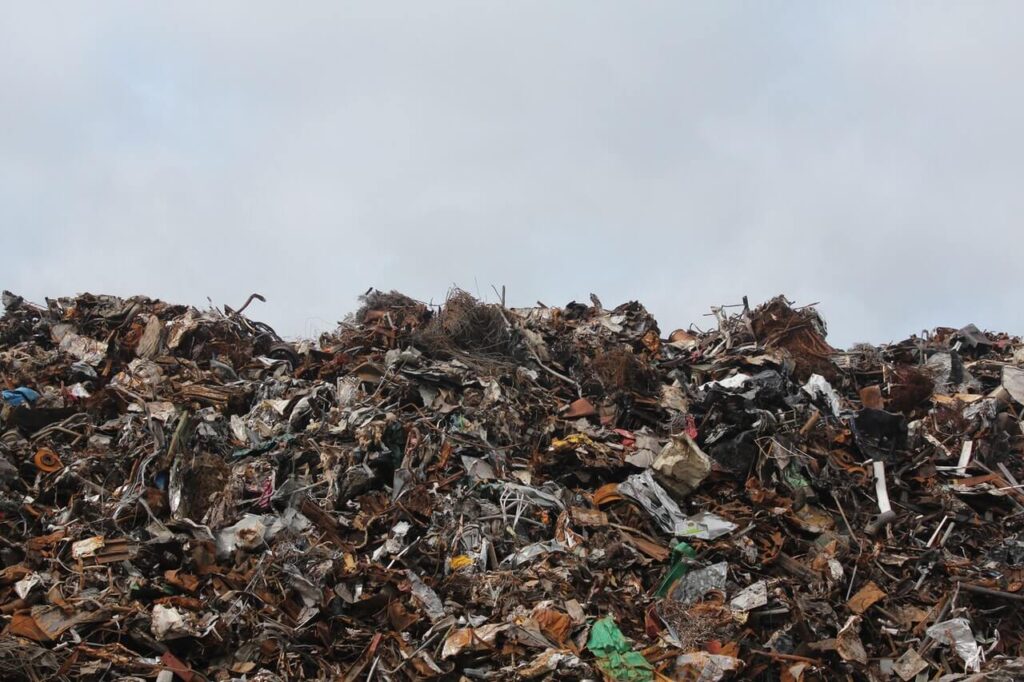
That consolidation snowballed. By 1914, the Kansas City Stockyards covered more than 200 acres, processed up to 170,000 animals a day, and employed over 20,000 people, making it, for a time, the second-largest stockyards in the nation. Railroads, meatpacking plants, and manufacturing all grew up around each other in the same few square miles, and with that growth came something every industrial city eventually has in abundance: scrap.
The Scrap Drives of WWII
If Kansas City’s industrial roots explain why a scrap economy existed here, World War II explains why an entire generation learned to think of scrap differently, not as junk, but as a resource worth fighting for.
In the summer of 1942, the War Production Board launched the first nationwide scrap metal drive, and the entire country was asked to participate, including children. Farmers broke down old equipment and vehicles, and donated tools they no longer needed. Communities collected iron, steel, aluminum, tin, bronze, nickel, silver, and copper — virtually anything made of metal. Pennies were even struck from steel instead of copper that year, because copper was needed for the war effort.
The Midwest took this seriously. Just a short drive from Kansas City, in Comanche County, Kansas, every store, farm, and business shut down for a single day in August 1942 so the entire community could scour yards, fields, basements, and attics for scrap iron and steel. By the end of that one week, the county had collected more than 400 tons of iron, enough, the local paper proudly noted, to build a battleship or 80 tanks.
Kansas City and the surrounding region weren’t immune to that same wave of urgency. Families emptied attics, businesses donated equipment, and scrap yards across the metro became a critical link in a supply chain that stretched all the way to the front lines. It’s a piece of history that’s easy to overlook today, but for a few short years, the scrap yard was one of the most patriotic places in town.
From Scrap Dealers to Modern Recycling Facilities
After the war, scrap collection slowed as the country shifted toward a more consumer-driven, disposable culture. But the industry evolved. What had once been informal, neighborhood-level collection gradually became something more organized: dedicated facilities, standardized grading, and eventually environmental regulation that turned scrap dealing into modern metal recycling.
This shift mirrored what was happening across the country. Scrap yards that had once operated out of horse-drawn wagons and small lots grew into full-scale operations with scales, sorting systems, and, eventually, a recognized role in the broader recycling and sustainability movement that gained momentum in the decades that followed.
Langley Recycling: A Fourth-Generation Witness
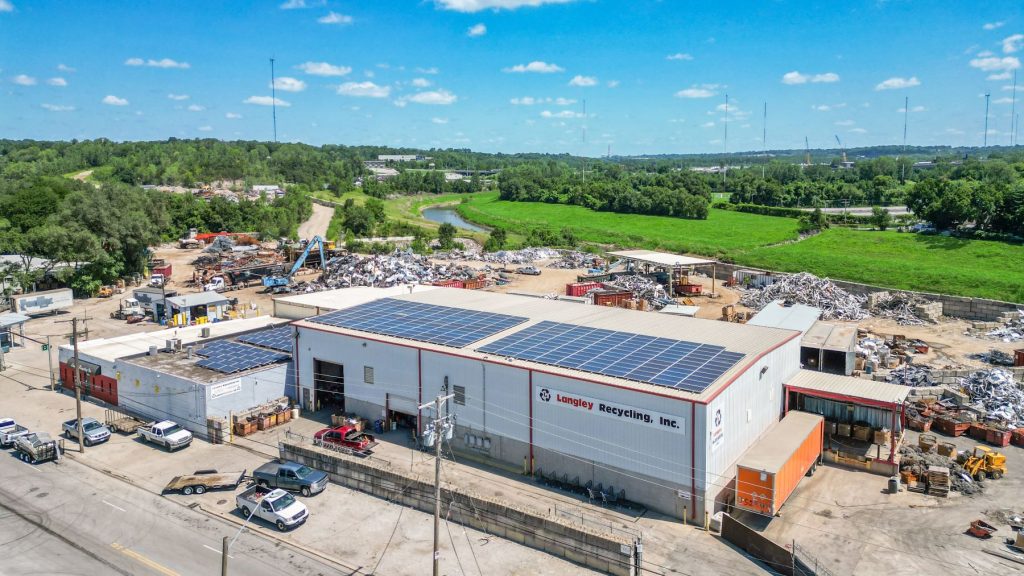
Our own story fits right into this timeline. In 1931, Henry L. Langley and his father started small: collecting bones and rags across Kansas City neighborhoods by horse-drawn wagon, decades before recycling was a household word. It was hands-on, neighborhood-by-neighborhood work, not so different in spirit from the scrap drives Kansas City families would organize a decade later during the war.
Nearly a century later, we’re still here, now in our fourth generation, still family-owned, and still rooted in the same city where we started. We’ve watched the industry transform from informal collection into the organized, regulated recycling operation it is today, and we’ve grown right alongside it. The wagon is long gone, but the principle hasn’t changed: nothing useful should go to waste, and Kansas City has always been willing to do something about that.
Why This History Still Matters Today
It’s tempting to think of recycling as a modern invention, something that started with curbside bins and Earth Day. But Kansas City’s history tells a different story. This city has been finding value in scrap for well over a century, whether driven by industrial necessity, wartime patriotism, or simply good business sense.
That same resourcefulness drives the industry today, just with cleaner motivations: sustainability, resource conservation, and a smarter use of materials that would otherwise end up in a landfill. The tools have changed but the reason hasn’t.
Kansas City’s Scrap Story Isn’t Finished
From the rail yards of the West Bottoms to the scrap drives of 1942 to a fourth-generation family business still running strong, Kansas City’s relationship with scrap metal has always been about making the most of what’s already here. That story is still being written one drop-off at a time.
If you’ve got metal sitting around and you’re ready to be part of that story, here’s everything you need to know before your first visit.